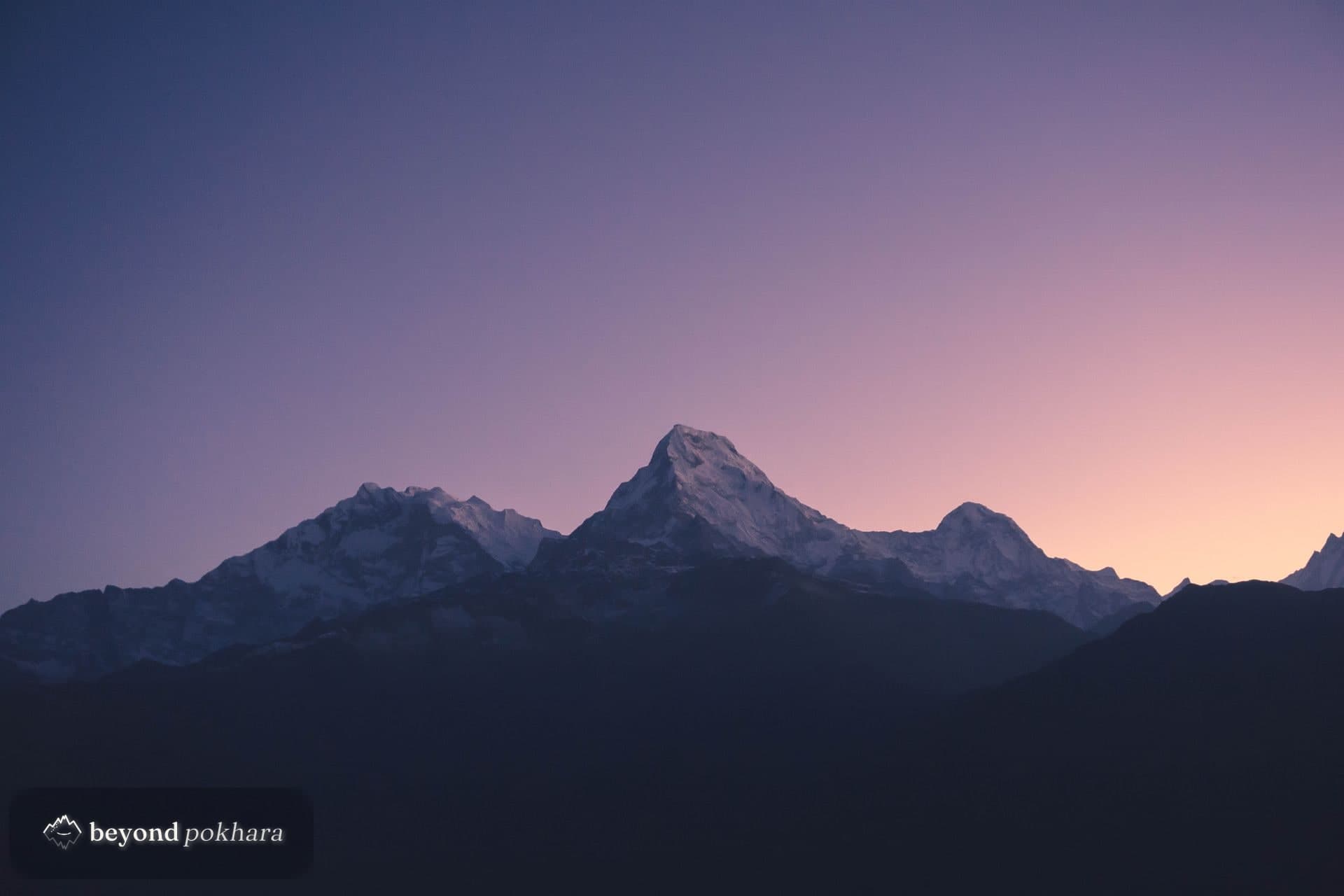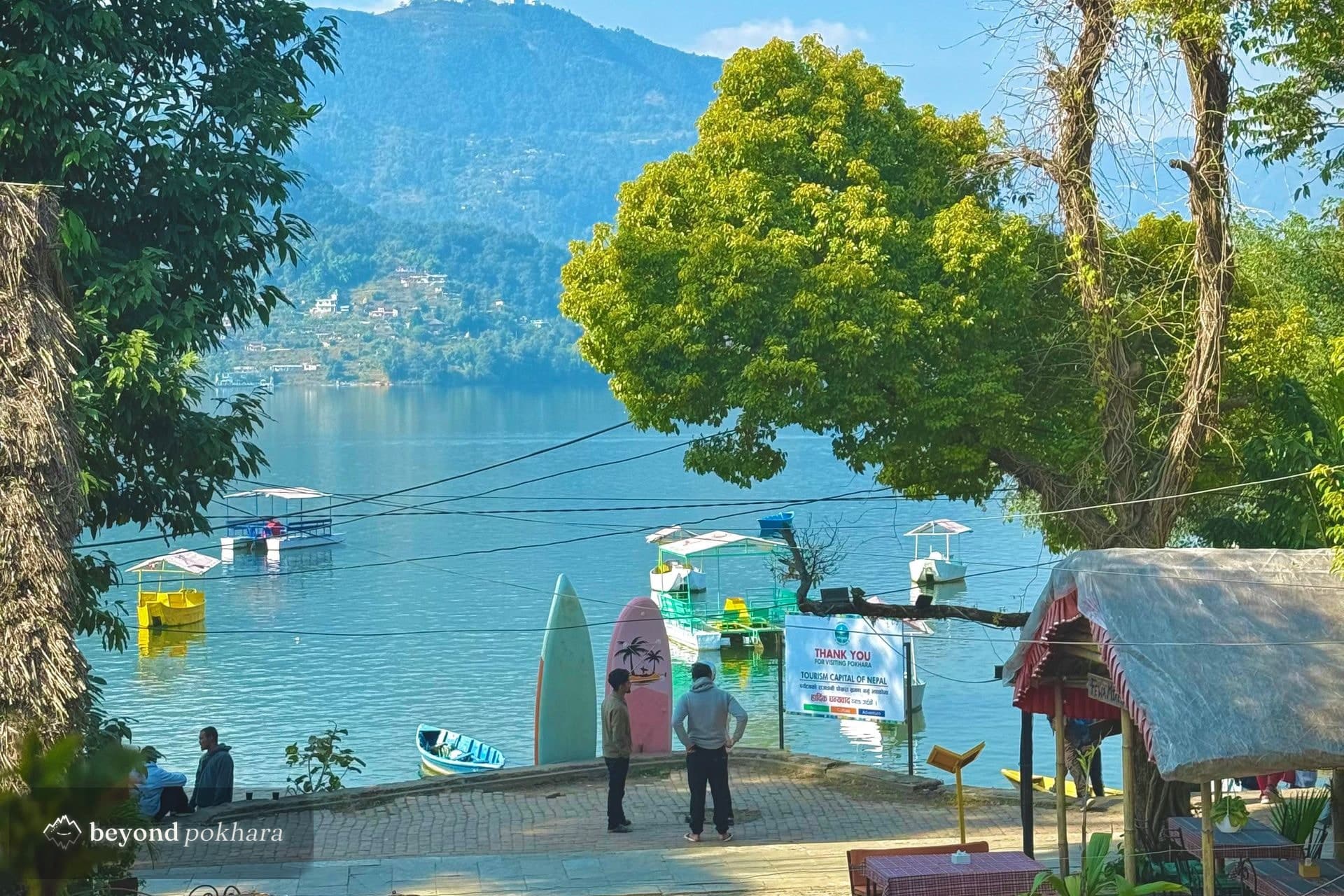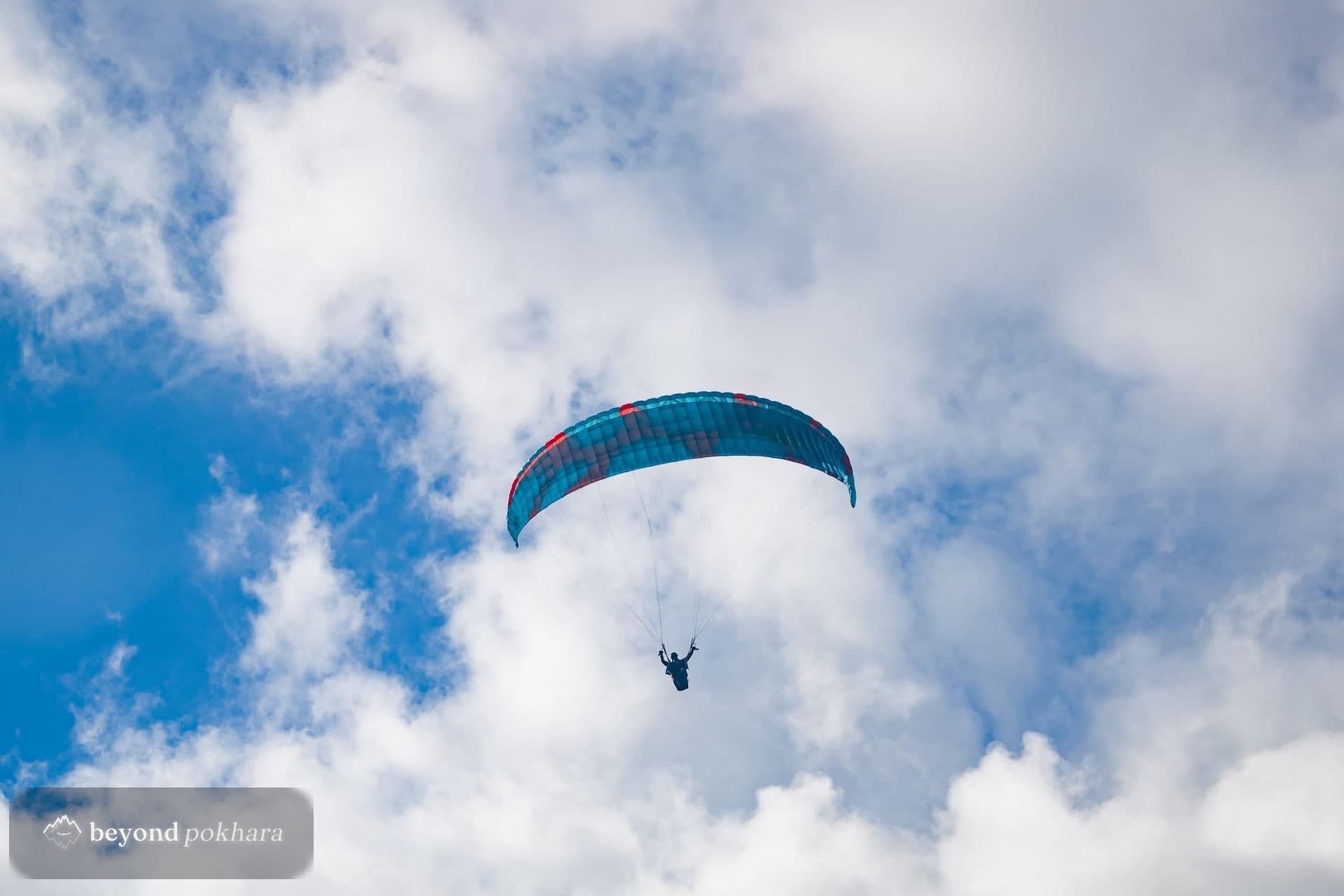
Paragliding in Pokhara costs 69 to 150 US dollars depending on flight length, and the clearest flying comes in October and November, right after the monsoon clouds clear out. A standard 20 to 30 minute tandem flight launches from the Sarangkot ridge and lands on the Phewa lakeshore below, with a certified pilot doing the flying and no experience required from you.
What paragliding in Pokhara actually costs
Prices in Pokhara vary more by flight length and booking channel than by season, though peak months push everyone's rates up slightly. Our Pokhara paragliding tour starts at 69 US dollars per person for the standard 20 to 30 minute flight, covering hotel pickup from Lakeside, the drive up to Sarangkot, a certified tandem pilot, harness, helmet, and flight insurance. Other licensed operators quote 80 to 100 dollars for the same flight, often with a margin added for third-party booking platforms. A 60 minute flight runs 110 to 120 dollars, more time riding the thermals off the ridge before the pilot brings you down, and the Annapurna scenic route, which tracks closer to the range instead of dropping straight to the lake, costs 120 to 150 dollars. A GoPro video of your own flight usually costs 20 to 30 dollars extra rather than coming included in the base price.
The lowest quotes, sometimes under 60 dollars from touts working the Lakeside strip, are usually the ones cutting corners on insurance, equipment maintenance, or an unlicensed pilot. A fair price for a properly licensed tandem flight sits from the high sixties upward. Ask directly whether the quote includes insurance and whether the pilot holds a Nepal Airsports Association license before you hand over cash to anyone offering a flight cheaper than that.
Best time of year to fly
Pokhara flies from September through April, and the difference between months is mostly about visibility rather than whether flights run at all. October and November are the sharpest months of the year: monsoon has just washed the dust and haze out of the air, so the Annapurna range sits behind you as a hard, clear line rather than a pale outline. December and January stay just as clear and get properly cold, close to freezing on the Sarangkot ridge before the flight, though the valley below warms up fast once the sun is on it, and afternoon wind tends to build faster in these months, which can shorten the flying window to late morning. February through early April is a second decent stretch, though haze builds steadily as farmers burn fields ahead of planting and dust lifts off the plains to the south, so the mountain backdrop fades earlier than it does in autumn. May through September is monsoon: some mornings are flyable between storms, but plans need to stay loose and cancellations are common through July and August.
Flying itself happens late morning into early afternoon, roughly 9:30 am to 2 pm, once the sun has warmed the slopes enough to build the thermals a paraglider rides on. That is also why a paragliding morning and a Sarangkot sunrise tour don't share a single trip up the hill: sunrise happens at first light, and the thermals that carry a glider don't build for a few hours after that.
Choosing a licensed operator
Nepal's Civil Aviation Authority regulates tandem paragliding here, and the requirements to carry a paying passenger are real: a pilot needs roughly 18 months of training and a minimum of 1,000 solo flying hours before earning tandem certification through the Nepal Airsports Association. Most of the serious accidents on record in Pokhara trace back to solo pilots making their own calls on bad weather days, not tandem flights run by a licensed operator.
Before you book, it is worth asking whether the pilot is properly licensed, whether the price includes insurance, and whether the equipment is maintained rather than whatever is cheapest to run. An operator who answers plainly, without dodging, is the one to fly with.
What the flight itself involves
You are picked up from your hotel in Lakeside and driven up to the Sarangkot launch at around 1,600 m, with a safety briefing and harness fitting before anyone leaves the ground. The flight itself is 20 to 30 minutes on a standard booking, gliding on the thermals off the ridge with the Annapurna range behind you and Phewa Lake opening up below. Landing is on the lakeshore at Khapaudi, where the vehicle meets you for the short drive back into town.
You do not need any prior experience, and there is no age limit beyond being fit enough to walk to the launch point and sit through a harness fitting. The whole outing, door to door, runs about half a day once you include the drive up, the wait for a flying window, and the drive back.
Combining it with the rest of your trip
Sarangkot does double duty as Pokhara's sunrise viewpoint and its paragliding launch, which means most visitors either fly on a separate morning from sunrise or linger over coffee on the ridge until the gliders start going out. Our Sarangkot sunrise tour covers timing for the early half of that day.
Paragliding pairs naturally with a full day around the lake: a boat crossing to the World Peace Pagoda, Davis Falls and Gupteshwor Cave, and lunch back at Lakeside once you are down. Our Pokhara sightseeing day tour guide lays out that round with real entry fees and timings. Paragliding sits alongside our other Pokhara tours, and booking direct with a licensed operator through us keeps the whole day, pickup to landing, on one schedule instead of juggling two bookings.
FAQ
How much does paragliding in Pokhara cost?
A standard tandem flight of 20 to 30 minutes runs from about 69 to 100 US dollars depending on the operator, and our tour starts at 69 dollars with a licensed pilot, hotel pickup, and insurance included. A 60 minute flight runs 110 to 120 dollars, and the longer Annapurna scenic route costs 120 to 150 dollars. GoPro photo and video add-ons usually cost 20 to 30 dollars extra rather than being included.
What is the best time of year for paragliding in Pokhara?
October and November give the clearest flying, right after monsoon washes the haze out of the air. December and January are just as clear and colder, with wind picking up faster in the afternoon. February through early April is a second good window before pre-monsoon haze and field burning thicken the sky. May through September is monsoon, and most days are grounded or flown short between showers.
Is paragliding in Pokhara safe?
Tandem flights with a licensed pilot have a strong safety record. Nepal's Civil Aviation Authority regulates the sport, and a tandem pilot needs about 18 months of training and 1,000 solo flying hours before they can carry a passenger. Most of the serious incidents on record in Pokhara involved solo pilots making their own weather calls, not tandem flights with a certified operator.
How long is a tandem paragliding flight in Pokhara?
The standard flight is 20 to 30 minutes from launch at Sarangkot to landing near the lakeshore. Longer flights of 60 minutes, or the Annapurna scenic route that stays up longer and flies closer to the range, are available when the wind and thermals cooperate on the day.