The Pokhara zipline runs 1.85 km from the Sarangkot ridge down to Hemja, dropping about 600 m on the way, and the operator calls it the steepest zipline in the world. In 2026 a ride costs NPR 8,850 (about 66 US dollars) for foreign visitors, with transport from Lakeside included. You are in the air for around two minutes. With the drive up, the briefing and the ride back, plan on three hours.
What the ride is
The line is the ZipFlyer, built by a US company of that name and run in Pokhara by HighGround Adventures since 2012. The top station sits near Sarangkot at about 1,600 m, and the line runs down the ridge to a landing field at Hemja on the valley floor. At its steepest the cable drops at 56 degrees.
You ride sitting in a harness slung under a trolley. Since about 2021 there is also a "Superman" option, where you lie face down and go head first. Ask for it when you book, because the seated ride is the default.
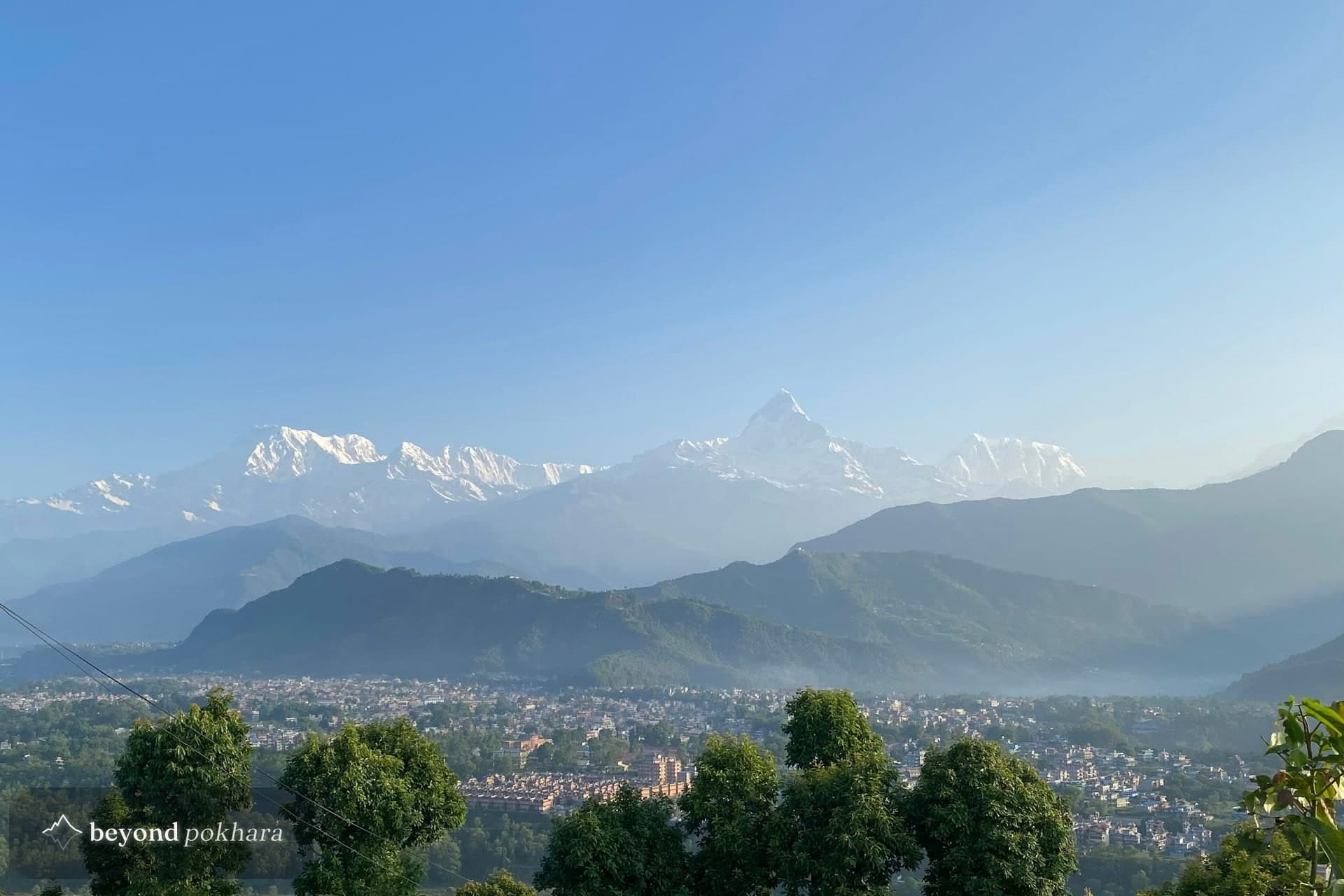
On a clear morning you have Machhapuchhre and the Annapurnas in view the whole way down, with Pokhara and the valley floor opening out below.
Pokhara zipline cost in 2026
HighGround publishes two rates, one for foreigners and one for Nepali nationals. Both include the ride to the top station and the van back from Hemja.
| Option | Price (NPR) | Approx. USD |
|---|---|---|
| Standard ride, foreign national | 8,850 | 66 |
| Standard ride, Nepali national | 6,850 | 51 |
| Sunrise ride with Champagne breakfast | 13,000 | 98 |
| Photos and video add-on | 1,500 | 11 |
Dollar figures use about 133 rupees to the dollar and move with the exchange rate.
Those are the operator's own figures. Prices on international booking sites range from about 64 to 99 US dollars for the same ride, depending on the site and whether pickup and taxes are added. Older agency pages still quote 70 dollars or NPR 4,500 to 5,500. The 4,500 figure is years out of date and you won't find a ride at that price today.
The video comes from a camera on your helmet. Some riders find it only shows the cable and the sky, so if a good clip matters to you, a friend filming from the landing field gets the better shot.
How fast it goes
The operator advertises top speeds of up to 140 km/h, and every agency page repeats it. Your real speed depends on your weight and the wind, so a lighter rider or one heading into a valley breeze goes slower. One rider's review puts the top speed nearer 90 to 100 km/h. Either figure feels fast on a cable that steep.
You don't brake. An automatic braking system slows the trolley near the bottom, and your only job is to hold on.
Who can ride
HighGround's own limits are:
- at least 10 years old
- between 34 and 125 kg
- a guardian present for anyone under 15, and a guardian's signature on the waiver for anyone under 18
Some agency sites list 13 or 14 as the minimum age, or a top weight of 140 kg. The operator's figures are the ones that apply. If a child is close to 34 kg or an adult is near 125 kg, tell us your weights when you enquire and we check with the station before you go.
The ride is not suitable during pregnancy or for people with serious back, neck or heart conditions. It takes no fitness, since the only effort is the short walk to the launch platform.
How the morning runs
From Lakeside the drive up to the top station takes about 30 minutes. At the station you sign the waiver, get weighed, and staff fit the harness and helmet and give a short briefing. Then you wait your turn, which can take a while on a busy October morning.
The ride lasts about two minutes. At Hemja a van takes you back to Lakeside, about 30 minutes away. The whole trip is around three hours door to door.
Wear closed shoes and clothes that won't flap. Empty your pockets and leave sunglasses and loose hats in the vehicle, because whatever falls out on the way down is gone.
Best time to ride
The zipline runs all year, so the season only changes what you see on the way down. October to April gives the clearest mornings, with the Annapurnas sharp before about 10 am. In the monsoon, from June to early September, cloud often hides the mountains and storms can pause rides, so a morning slot gives you the best chance between showers.
The sunrise ride goes at first light, when the sun reaches Machhapuchhre. It costs more, but in November or December it is the clearest hour of the day.
Fitting it around Sarangkot and paragliding
The top station is on the Sarangkot ridge, so it is easy to combine with a Sarangkot sunrise tour. Watch the sun come up from the viewpoint, then drive the short way to the zipline once it is light.
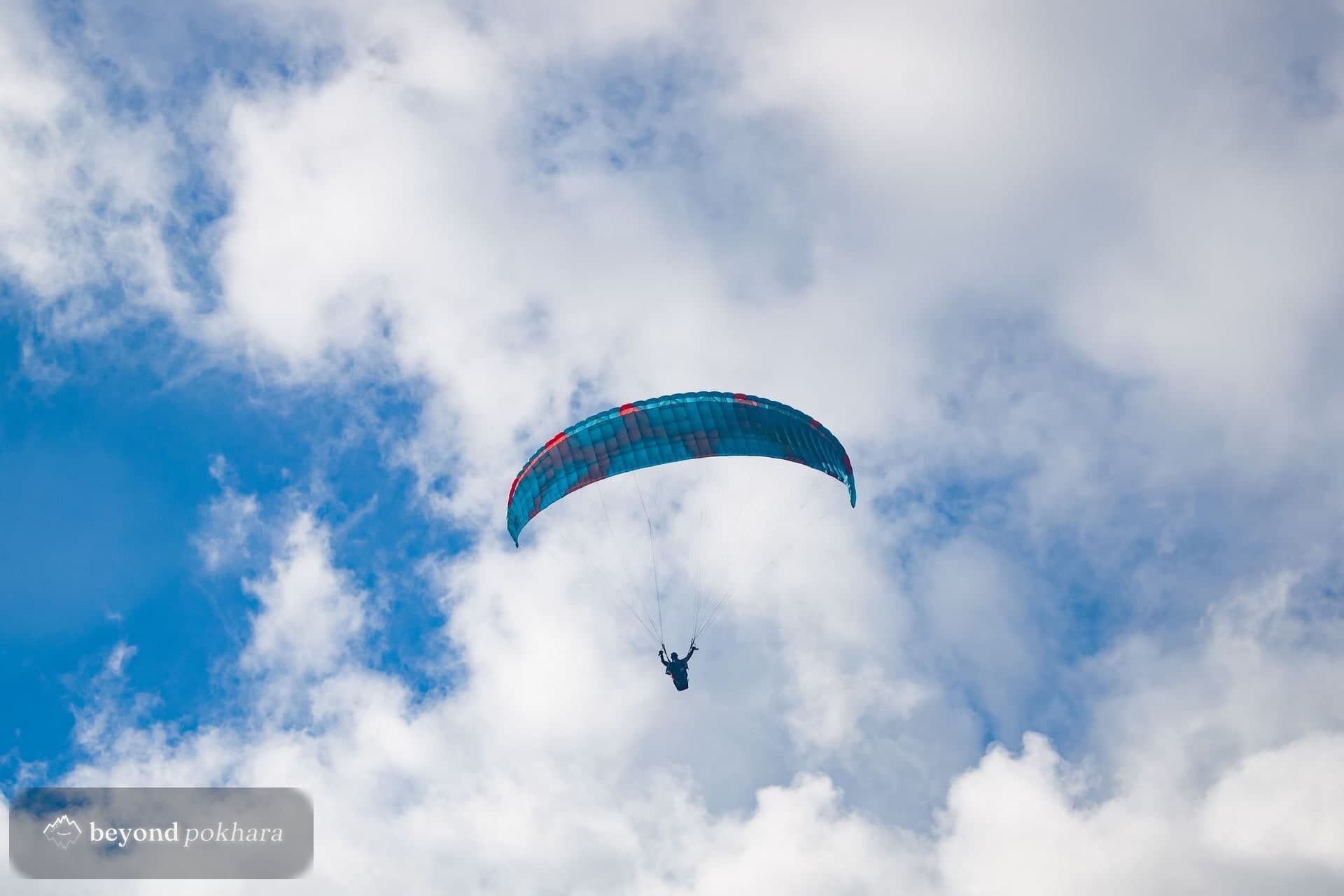
Paragliding in Pokhara also launches from Sarangkot, but flights run from about 9:30 am into the early afternoon, once the thermals build. That leaves the early morning free, so you can zip first and fly the same day. A flight lasts 20 to 30 minutes and the pilot does the steering, which makes it a slower, longer look at the same view.
If you want something bigger, the Kushma bungee jump is a 228 m free fall into the Kali Gandaki gorge, about two hours west of Pokhara. That one takes a full day.
How we run it
Our Pokhara zipline trip is a half-day morning. We collect you from your hotel in Lakeside, drive you to the top station, and the vehicle meets you at Hemja and brings you back. Harness, helmet and the safety briefing come with the ride. The photo and video add-on and tips are extra.
It starts at 69 US dollars per person, which is close to the operator's own rate, and we confirm the exact figure when you book. If the zipline is the only thing you want, booking at the station works fine. Going through us makes more sense when it is one morning in a longer stay, with Sarangkot, paragliding or a short hike from Pokhara on the days around it, and one team handling the pickups.
In October, November and the spring, when Sarangkot is busy, book two or three days ahead. The rest of the year, the day before is usually enough. You can plan the Pokhara zipline around your dates in the planner, and we come back with the morning that suits.
FAQ
How much does the Pokhara zipline cost?
The operator's 2026 rate for foreign visitors is NPR 8,850, about 66 US dollars, and NPR 6,850 for Nepali nationals, with transport from Lakeside included. Photos and video cost NPR 1,500 more. The sunrise ride with breakfast is NPR 13,000. Our zipline morning starts at 69 US dollars per person, confirmed when you book.
How fast is the Pokhara zipline?
The operator advertises top speeds of up to 140 km/h. Your real speed depends on your weight and the wind, so lighter riders and anyone riding into a headwind go slower. The ride itself lasts about two minutes.
What are the age and weight limits?
Riders must be at least 10 years old and weigh between 34 and 125 kg. Anyone under 15 rides with a guardian present, and a parent or guardian signs the waiver for anyone under 18. Some agency sites list different limits, so confirm with the operator if you are near either end.
Is the Pokhara zipline safe?
The line was built by ZipFlyer, a US company, and has run since 2012. You hang in a full harness from a trolley, an automatic braking system slows you at the bottom, and staff fit and check your harness and give a briefing before you ride.