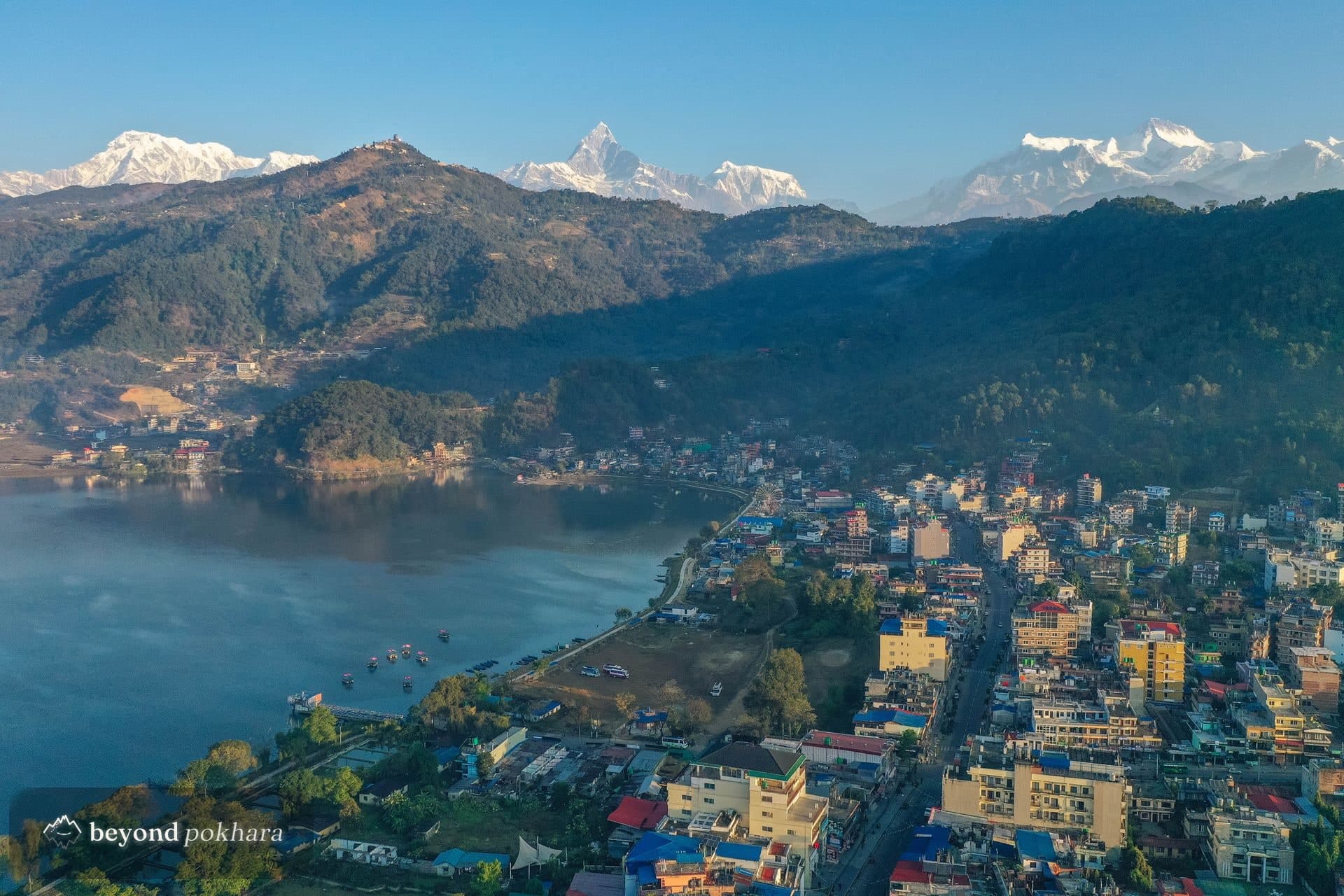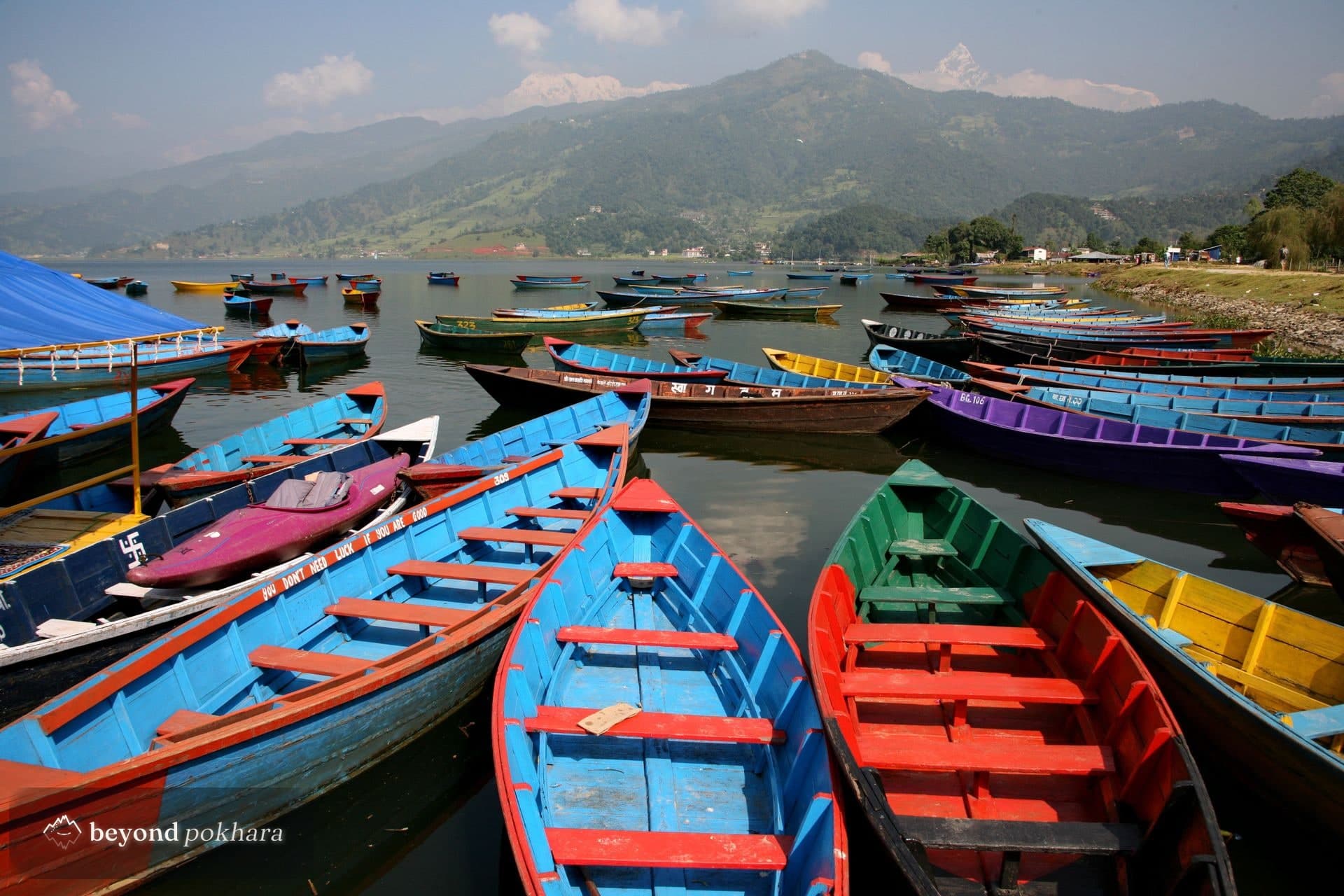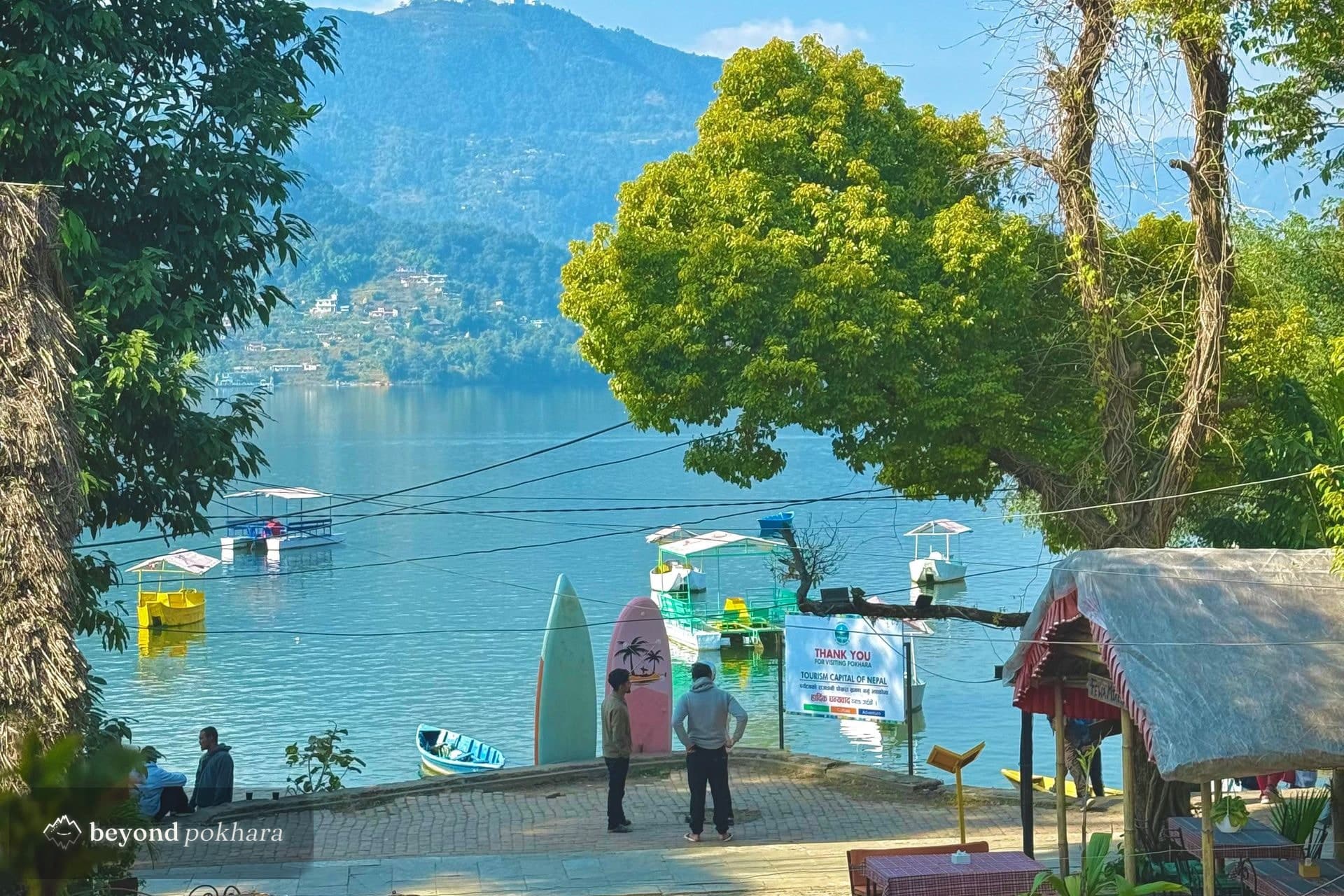
Search for the best travel agency in Pokhara and you get a wall of near-identical results, every one calling itself the number one or the award winner. None of that tells you much. The best travel agency in Nepal for your trip is the one that plans the days you actually want, prices them without games, and replies when you write at an odd hour. This guide covers what to check before you book anyone, and how we approach the same job at Beyond Pokhara: honest pricing and a modern way to plan that saves you the week most people lose to research.
What to check before you book a travel agency in Nepal
Before the marketing, look at the fundamentals. A short verification pass takes fifteen minutes and protects the whole trip.
Registration. A legitimate operator is a government-registered company, not a lone guide with a phone. In Nepal you can cross-check an agency against the Department of Tourism and the Trekking Agencies Association of Nepal (TAAN). If a company hesitates to give you a name and a number you can verify, that is your answer. Beyond Pokhara is a registered company working across Nepal from a Pokhara base.
Licensed guides. Since 1 April 2023, trekking in Nepal's TIMS and national-park areas requires a licensed guide arranged through a registered agency. Solo permits for those routes are no longer issued. A real guide carries a Nepal Tourism Board licence card with a photo, a licence number, and an expiry date, earned through a training course in first aid, navigation, and mountain safety. Ask to see it before you leave the trailhead. Any honest agency shows it without fuss.
Transparent pricing. The price should account for licensed staff, permits, insurance, food, and accommodation, written down before you pay. Vague quotes and pressure to send a deposit with no contract are the clearest warning signs there are. Ask what the number includes and what it does not.
Insurance and safety. Guides and porters should be insured for the work they do, and you should carry travel insurance that covers cancellation and, for higher routes, evacuation. A good agency raises this before you do.
A local operator, not a broker. Agencies that run trips themselves, rather than reselling someone else's, know the current state of the trail, which teahouse is worth the stop, and who to call when a road washes out. That local knowledge is the difference between a plan on paper and a trip that actually holds together.
None of this is unique to us. It is the floor. What follows is where the experience differs.
A modern approach to travel planning in Pokhara
Most trips to Nepal start the slow way. A dozen browser tabs, three blogs that disagree on the best month, and a week of email before anyone tells you what the trip costs. We rebuilt that first week.
Beyond Pokhara runs the first AI trip planner in Nepal, SahaYatri, built into our own site rather than bolted on as a generic chatbot. You describe the trip in your own words, a five-day trek near Pokhara, a family week that keeps the walking gentle, a road trip to Mustang, and it shapes a rough plan in seconds, at any hour. It works only from our real trips, so it cannot invent a trek that does not exist or quote a figure nobody stands behind. When it points you to the Annapurna Base Camp trek or a jeep to Mustang, that is a route we actually run.
If you would rather tap through a few questions than type, the step-by-step trip planner asks one thing at a time and lands on the same place: a shortlist of real itineraries that fit your dates, your pace, and your budget. Either way a person picks it up from there. The chat is fast at cutting a hundred options down to three. A local operator is better at the rest, the small changes and the timing that turn three options into the trip you take. You get both.
That mix is what we mean by modern. The point is not novelty. These tools remove the tedious part of travel planning in Pokhara and Nepal so more of your time goes into the trip itself.
Everything a traveller needs, in one place
A good agency covers the trip end to end, so you are not stitching together three vendors and hoping they line up. We plan and run:
- Treks in the Annapurna region and beyond. Short walks like Poon Hill and Mardi Himal, the classic Annapurna Base Camp trek, and longer routes across Nepal, all as tailored itineraries rather than fixed departures. Browse the treks from Pokhara to see the range.
- Tours and day trips. Sarangkot sunrise, Phewa Lake and the Peace Pagoda, paragliding, and the quieter corners of the valley most itineraries skip.
- Vehicle hire in Pokhara. Airport transfers, a private car to Kathmandu or Chitwan, and a 4WD for the rough roads to Mustang and Muktinath, with a driver who knows the route. See the full range of vehicle hire in Pokhara with day rates listed up front.
- Whole trips combined. A trek, a road trip, and a few city days planned as one, with the logistics between them handled so nothing falls through the gap.
Because we run all of it, the handoffs between a trek and a transfer, or a tour and a flight, are ours to manage rather than yours to chase.
Honest pricing, confirmed by a person
Every price on the site is a real starting point for the largest-group, budget tier, so the "from" figure reads as what a trip can genuinely cost rather than a headline nobody actually pays. The final number depends on your group size, the comfort level you want, and the season, and a person confirms it before anything is settled. Nothing books itself, and no price is invented by a bot. Ask us what a figure includes and you get a straight answer.
How to start
You do not need to know the names of trails or the shape of an itinerary. Describe the trip you have in mind and we do the translating. Start a chat with SahaYatri, work through the trip planner, or write to the team directly. You finish with a real plan at a fair price, and a local operator on the other end who has run these trips for years.
FAQ
How do I know a Pokhara travel agency is legitimate?
Check that it is a government-registered company you can verify with the Department of Tourism or TAAN, that its guides carry Nepal Tourism Board licence cards, and that it gives you a written itinerary and price before any deposit. An honest agency answers all of that without hesitation.
Do I need a licensed guide to trek from Pokhara?
For trekking in TIMS and national-park areas, yes. Since April 2023 Nepal requires a licensed guide arranged through a registered agency, and solo permits for those routes are no longer issued. Lower day hikes around Pokhara are more relaxed, and we will tell you which rule applies to your plan.
Can the same agency handle both treks and vehicle hire in Pokhara?
Yes, and it is worth choosing one that does. We arrange treks, tours, and vehicle hire in Pokhara under one plan, including airport transfers, private cars, and 4WD for the mountain roads, so the logistics between each part are handled for you.
What makes a modern travel agency different?
The trip planning. We built SahaYatri, the first AI trip planner in Nepal, so shaping a rough plan takes a short conversation instead of a week of email. The tech does the sorting. A local person still confirms the itinerary and the price, which is the part that actually matters.